
Fast Payout Online Casino UK: What Keno Shows
 Available in GB

Learn how selected spots and catches shape keno results, and why a quick round or game payout says nothing by itself about withdrawal timing.
Table of Contents
- Keno Rules: Picks, Draws and Catches
- Keno Odds and Payouts: Read the Paytable, Not the Headline
- What “Fast Payout” Can—and Cannot—Tell You
- Slot Returns and Keno: A Limit to the Comparison
- Same-Day Cashouts Are Not Established by Game Payout Data
- “Instant Payout” and the Keno Round
- Quick Results Do Not Mean Quick Withdrawals
- Keno Percentages: House Edge Is Not a Withdrawal Measure
- Keno Number Choices Do Not Improve the Odds
- Checking Keno Game Terms Before Wagering
- Sweety Win Games, Slots and Providers
Keno Rules: Picks, Draws and Catches
A keno round starts with a card showing the numbers from 1 to 80. Before the draw, a player marks a selection of spots. How many can be chosen depends on the particular game: one version may offer a different selection range from another. The marked spots form the player’s entry for that round.
Once selections are made, the online game uses a random number generator to produce the draw. Numbers are selected from the same pool shown on the card. In a standard online format, the draw contains 20 numbers, although some variants draw fewer. The player’s chosen spots are then compared with the numbers drawn.
A drawn number that appears among the player’s selections is called a catch. The result is not simply a matter of whether the card has any matches: the count of selected spots and the number of catches both feed into the game’s payout rules. A player choosing a small set of spots and catching several of them can therefore land in a different result category from someone who chose more spots and caught the same number.
Payout times are one useful factor when choosing an online casino. This list gives a concise reference for the stated withdrawal timeframe at each operator.
1. Revery Play
Payout speed: 1-3 business days Revery Play lists a payout speed of 1–3 business days.
2. Dieselwin
Payout speed: 1-3 business days Dieselwin lists a payout speed of 1–3 business days.
3. Britsino
Payout speed: 1-3 business days Britsino lists a payout speed of 1–3 business days.
4. SpinFormula
Payout speed: 1-3 business days SpinFormula lists a payout speed of 1–3 business days.
5. Amunbet
Payout speed: 1-3 business days Amunbet lists a payout speed of 1–3 business days.
6. BeOnBet
Payout speed: 1-3 business days BeOnBet lists a payout speed of 1–3 business days.
7. Zombillion
Payout speed: 1-3 business days Zombillion lists a payout speed of 1–3 business days.
8. SlotoSport
Payout speed: 1-3 business days SlotoSport lists a payout speed of 1–3 business days.
9. Jetsetspins
Payout speed: 1-3 business days Jetsetspins lists a payout speed of 1–3 business days.
10. NightWin
Payout speed: 1-3 business days NightWin lists a payout speed of 1–3 business days.
That distinction is easy to miss when a game presents the draw as a quick animation. The animation shows the selected numbers appearing; the game’s rules determine what those numbers mean for the entry. The draw itself and the payout calculation are separate steps. First, the random selection is made. Then the game compares it with the player’s spots and applies the relevant result.
I have found that the useful way to read a keno screen is to separate its moving parts rather than treat the card as a lottery ticket with one simple win condition. The card defines the pool. The spots define the player’s selection. The draw determines which numbers are present in that round. The catches connect the two. Only after that comparison can the game apply its own payout structure.
What a round looks like
The sequence is straightforward:
- The player selects spots from the card.
- The game draws its numbers at random.
- The game counts how many selected spots were caught.
- The applicable rules determine the result.
The exact selection options and outcome categories are game-specific. Two keno games can use a card with the same numbered range yet differ in how many spots may be selected, how many numbers are drawn, and how catches are treated. The familiar format does not make every version identical.
That is why a keno card alone does not explain the game. A display might show the selected spots clearly, but the rules sit behind the display: how many selections are permitted, how the draw is formed and which catch counts correspond to particular outcomes. The paytable is the part that connects those mechanics to the stated prizes. Check the specific game’s rules, paytable and odds before wagering; the details should belong to the game being played, not to a general idea of keno.
Random draw, not a pattern
In online keno, the draw is generated randomly. A previous round’s result does not dictate the next one, and the visual layout of spots does not change the draw mechanism. The selection stage records the player’s entry; it does not steer the random number generator.
High-Volatility Slots in the UK: How They Work
The house edge is also worth treating as a material part of the game, rather than a footnote. A specialist review reports keno house-edge estimates ranging from 5% to 40%, varying by casino, and cautions that the edge can be 25% or more. Those figures are not a feature of the card or the draw animation; they describe the game’s underlying terms. Keno payouts vary between platforms, so one game’s rules cannot stand in for another’s.
From the counter side, presentation can make the process look more uniform than it is. The same numbered card and familiar draw format can sit over different rules. The mechanics tell how a round is resolved, but the specific game terms tell how its catches are treated.
One final distinction matters: a catch describes a match between a selected spot and a drawn number. It does not mean that every catch produces the same result, or that the word itself defines a prize. The game’s payout rules make that determination. Match first. Terms next.
House Edge
Keno can have a house edge of 25% or more, which is a material cost of play that describes the game’s underlying terms.
Keno Odds and Payouts: Read the Paytable, Not the Headline
A “high payout” label is not a useful comparison on its own. In keno, the amount returned depends on the game’s paytable and the number of selected spots caught. Different platforms can set different rules and payout structures, so a figure attached to one game does not establish what another will return. I have seen headline percentages do more work in an advert than in an actual comparison.
The paytable is where the conditions become visible. It sets out which match outcomes receive a prize and how much each pays relative to the stake. Two games may appear similar, yet reward the same result differently or treat other outcomes differently. The headline does not show that distinction. The table does.
What the house edge tells you
The house edge is the built-in mathematical advantage for the operator over repeated play. It is not a prediction of what will happen in an individual round: a player can win or lose, but the edge describes the game’s longer-term structure. For keno, a specialist gambling review reports a range from 5% to 40%, with the figure depending on the casino. That is a broad spread, not a single market-wide rate.
The upper end matters. Keno can have a house edge of 25% or more, so a favourable-looking prize for a particular match does not by itself make the game generous overall. A paytable must be read across its possible outcomes, not judged by its largest displayed award. One striking prize can sit beside many outcomes that return less than the stake or nothing at all.
French Roulette Online Casinos in the UK: Rules & Odds
The return percentage and house edge describe opposite sides of the same broad calculation: a higher house edge corresponds to a lower theoretical return to players over time. Those figures are not a promise about a session, nor do they say how much any individual will win. A conspicuous prize is not the same as a favourable overall return.
There is no sound basis for naming one UK casino as the highest-paying from a headline alone. The game, its rules and its paytable all matter, and a number published for one keno product cannot be carried over to another. “Highest payout” may refer to the largest possible prize, the return on a particular result, or a calculated overall percentage. Those are different claims. Without the underlying definition, the label is incomplete.
Comparing like with like
A useful comparison starts with the same kind of game and the same measure. If one figure describes a maximum prize and another describes a theoretical return, placing them side by side creates a ranking that says little. Even percentages need context: the paytable and game rules explain what outcomes produce that return and which conditions apply.
I would also separate a game’s payout structure from the casino’s general description of its games. A platform may offer several keno variants, and their terms need not match. The relevant paytable is the one for the specific game being considered, not a general claim elsewhere on the site. Small print is not decoration here; it defines the calculation.
Do
- Read the paytable across all possible outcomes
- Compare the same kind of game and measure
- Check the specific rules of the variant being played
Don’t
- Rely on “high payout” headline labels
- Judge a game by its largest displayed award
- Use one game’s rules as a stand-in for another
The selection rules matter because payouts depend on how many spots are selected and how many are caught. That does not mean a larger possible prize automatically represents better value. It means the paytable must be read in the context of the game’s available outcomes. A headline that strips away those conditions is not a comparison.
What the percentage cannot settle
Payout percentages are often presented as if they answer the whole question. They do not. A percentage cannot establish that a game suits a particular budget, and a favourable-sounding figure cannot remove the house edge. Keno outcomes remain random; no approach can guarantee a win. The practical point is narrower: compare the specific rules, paytable and odds before wagering, and keep the stake within a pre-set bankroll.
In my experience, the distinction between the largest advertised award and the game’s overall return is where many comparisons go wrong. The headline attracts attention; the paytable carries the terms. A careful reading does not turn keno into a predictable proposition. It does make the structure clearer.
For any keno game, the useful questions are concrete: what does each match outcome pay, what rules govern the game, and what odds apply? Payouts vary across platforms, so one casino’s figure is not a reliable stand-in for another’s. The advertised peak is only one line. The full table is the comparison.
What “Fast Payout” Can—and Cannot—Tell You
The word “payout” does two different jobs in casino language. In a game, it describes what a winning result returns under that game’s rules. In a cashout discussion, it means money being sent from a casino account to a player. The terms can appear side by side, but they describe separate stages and are not evidence of one another.
Live Baccarat Online Casino UK: How It Works
Keno makes the distinction easy to see. Its paytable sets out how a result is valued; the rules and paytable can differ between platforms. A larger listed prize, or a more generous-looking set of winning outcomes, says something about the game’s reward structure. It says nothing by itself about how a casino handles a withdrawal after play.
I have seen how easily the two meanings get blurred in promotional copy. “Fast payout” can sound like a promise about cash arriving quickly, while the material beside it may only describe game results. That is a category error. A game can settle a result within its own format, but that does not establish the speed of a separate account or payment process. Different mechanism.
The reverse is also true: a casino’s withdrawal arrangements cannot be judged from the game’s house edge. A specialist review reports keno house edges ranging from 5% to 40%, with online games tending to have a higher edge. That range concerns the game’s mathematical cost over play, not the number of hours or days involved in a cashout. The figures should not be repurposed as a measure of payment service.
There is a material risk in that range. Keno can have a house edge of 25% or more, so a quick result or an attractive headline prize should not be read as evidence of favourable value. Nor does a low edge, where one is stated, mean that winnings will reach a bank account sooner. One is game economics; the other is payment handling.
Payout Definitions
In casino language, "payout" can refer either to the amount a winning result returns under game rules or to the process of sending money from an account to a player.
When comparing a keno offer, the specific game’s rules and paytable are the useful documents for understanding what a result may pay. Those details vary across platforms. They help explain the amount attached to a result, but they do not answer a separate question about withdrawal processing. The same distinction applies if the game page uses “payout” prominently: the surrounding wording matters.
For anyone assessing an online casino with fast payouts, the practical test is whether the claim actually describes withdrawals, rather than prizes or game returns. A game’s payout table is not proof of a fast cashout, and a keno result should not be treated as a prediction of when funds will arrive. I keep those claims in separate columns. No shortcut.
That separation matters because “fast” is an advertising word unless it is tied to a clearly described process. A keno paytable can be checked against the game’s rules; it cannot substantiate a withdrawal-speed claim. Likewise, a casino’s use of a quick-results game does not establish that its payment process is quick. Game outcome and cash movement are different things, and the wording should be read accordingly.
Slot Returns and Keno: A Limit to the Comparison
A comparison between video keno and slot machines can help set expectations, but it has a narrow use. The odds in video keno are about as bad as those of slot machines. That is a broad comparison between two kinds of gambling, not a measure of the return from any particular slot or a ranking of games by how much they pay back.
Live Casino UK: Games, Rules and Offers
The distinction matters because “payout rate” can refer to different things. For a game, it concerns the relationship between stakes and returns over play; it does not describe how quickly a casino processes a withdrawal. A game’s return is not a timetable for receiving money. The two meanings should not be folded into one claim.
Nor does a general comparison tell much about an individual slot. Slot games do not share one return figure simply because they belong to the same category, and a comparison with video keno cannot identify which slot offers the highest return. A broad resemblance in odds is not a shortlist. It is not evidence that a particular game is generous.
The same caution applies when keno is described as having a strong “payout”. That word can make a large possible prize sound like a favourable overall return. Those are not interchangeable ideas: a prize headline concerns a possible outcome, while the odds describe the chance of outcomes across play. Keno payouts vary between platforms, and the relevant terms are those of the specific game. The paytable, rules and odds should be checked before wagering.
Keno’s house edge can be 25% or more, depending on the game and casino. That is a material cost of play, not a prediction that every individual session will lose the same proportion. A short run can end differently; randomness does not turn a high house edge into a reliable way to profit. I have seen promotional language make the possibility of a win more memorable than the conditions attached to it. The arithmetic still matters.
Attention A broad resemblance in odds between video keno and slots is not a guide to the best-returning slot or a casino payout ranking.
“Best payout” is therefore an incomplete label unless it says what is being compared. A possible top prize, the game’s odds, and the proportion returned through play answer different questions. A slot comparison based only on its broad resemblance to video keno would blur those distinctions rather than resolve them. No ranking follows from it.
There is also no useful shortcut from a general category to a personal result. Random outcomes vary from play to play, and no strategy can guarantee a win. A figure or phrase that sounds impressive should be read alongside the actual game terms, not treated as a promise about what a player will receive.
From the operator’s side, this separation is practical as well as mathematical: game information describes play, while a cashout claim concerns handling funds after a win. One does not verify the other. A game can be discussed in terms of its odds without that saying anything about withdrawal speed.
The comparison has a clear limit. Video keno’s odds being about as bad as slot machines is a warning against assuming favourable returns; it is not a guide to the best-returning slot, a casino payout ranking, or a cashout estimate. Broad category, not a verdict.
Same-Day Cashouts Are Not Established by Game Payout Data
“Same-day payout” sounds like a single feature, but it can blur two different events: a game awarding winnings and a casino sending a withdrawal. A keno result determines whether a stake wins and how much the game credits under its rules. That figure says nothing by itself about when money requested for withdrawal will reach a bank or payment account.
Live Blackjack Online in the UK: How Tables Work
I have seen these terms treated as interchangeable in casino copy. They are not. A winning amount shown in a balance is not proof that a withdrawal has been approved, processed or received on the same day. Nor does a large game payout establish anything about the speed of the payment route. The word “payout” is doing two jobs. That matters.
Keno’s own rules also vary between platforms. A specialist review reports that betting and payout structures differ, so the relevant game rules and odds need to be checked before wagering. Its account of house edge places the range between 5% and 40%, depending on the casino. That includes a clear downside: some keno games can have a house edge of 25% or more. None of those figures measures withdrawal speed.
For anyone comparing claims about same-day cashouts, the useful distinction is between the game’s paytable and the casino’s withdrawal terms. The paytable concerns the relationship between a wager and a game result. Withdrawal terms concern what happens after funds are requested from the account. One cannot be used as evidence for the other.
Searches for same-day casino payouts, including offers promoted alongside a no-deposit bonus, can make the phrase sound like a settled promise. It is better read as a claim that needs its own supporting terms. A bonus or a keno prize does not, on its own, establish when a cash withdrawal will arrive. The wording on a promotional page is not a substitute for the conditions governing withdrawals.
A practical comparison should therefore keep two questions apart: what does the specific keno game pay for a given result, and what does the operator state about processing a withdrawal? Check the game’s rules, paytable and odds before wagering; assess withdrawal claims separately rather than inferring them from a game’s advertised winnings. If the distinction is missing, the claim is incomplete.
Before Wagering
- Check the specific game’s rules and paytable
- Review the odds for the chosen result
- Assess withdrawal claims separately from game winnings
- Set a firm spending limit and stick to it
This is not a technicality. A casino can describe a game’s potential winnings accurately while leaving the timing of a withdrawal to separate terms. Conversely, a withdrawal claim cannot tell anyone whether the underlying keno game offers favourable returns. Same-day language is about funds moving out, not the size or timing of a game award.
Two different clocks.
“Instant Payout” and the Keno Round
“Instant payout” can describe two different events: a game settling its result and a casino sending money out after a withdrawal request. They are not the same process. In keno, the draw determines whether a round has won; it does not, by itself, say when funds can be withdrawn or when they will reach a bank account.
An online keno draw uses random number selection. Depending on the version, it can draw up to 20 numbers, with some variants using fewer. Once the draw is complete, the result of that round is known. That is the game’s resolution, not a promise about the handling of a later cashout.
I have seen promotional language collapse these stages into one attractive phrase. “Instant” sounds like a single clock, but the game result and the payment process sit on different sides of the account. A completed round can settle quickly while a withdrawal remains subject to its own processing. Conversely, a rapid payment description does not change how keno selects its drawn numbers. Separate mechanisms. Separate claims.
Best RTP Casino Slots UK: Understanding RTP
The distinction matters when comparing an instant payout casino in the UK with a game advertised as paying instantly. A keno win is determined by the random draw, not by the speed of a cashier function. No selection system can guarantee a win, and a quick result is not evidence that a casino will transfer winnings immediately.
Nor does “highest payout rate” mean the same thing as fastest cashout. In gambling language, payout rate can refer to the share returned through play; in everyday payment language, payout may mean money arriving in an account. Those meanings should not be blended. A game’s result and a withdrawal’s timing answer different questions.
Keno also carries a meaningful house edge: it may be 25% or higher, depending on the game and casino. A specialist review has reported a broader range, which is a reminder that the label alone does not tell the whole story. Check the specific game’s rules, paytable and odds before wagering; the word “instant” provides none of that detail.
The useful reading is literal. If the claim concerns a keno round, it describes how soon the game result is settled. If it concerns a casino cashout, it concerns payment handling. Neither claim should be treated as proof of the other. Fast resolution is not fast money.
Quick Results Do Not Mean Quick Withdrawals
A keno round has a defined stopping point: in online keno, twenty numbers are drawn. Once the draw is complete, the result of that game is settled. That is a quick result in the sense that play has reached its outcome; it does not describe how quickly money moves out of a casino account.
Why a quick result isn’t a quick withdrawal
A completed draw settles the game result quickly, but the actual cashout process is a separate mechanism subject to its own processing and approval times.
I have seen the word “payout” do two jobs in gambling copy. In a game description, it means the amount awarded under the rules when a result qualifies. In a cashout claim, it means the time taken for a withdrawal to reach a player. They are separate processes. A completed draw can establish a game result, but it does not establish a withdrawal schedule.
That distinction matters when comparing quick payout casinos in the UK. A keno round ending promptly is not evidence that the operator has approved or sent a withdrawal, still less that a bank or payment service has completed it. The draw format tells something about play, not the time required for funds to arrive. No shortcut in the game mechanics can bridge that gap.
The amount won is a different question again. Keno payouts vary between platforms and depend on the game’s own terms. The house edge can be 25% or more, so a fast-resolving round should not be mistaken for a favourable one. I separate those questions before assessing a game: what settles the round, what the paytable awards, and what a withdrawal claim actually covers. Different measures. Different evidence.
Before wagering, the specific game’s rules, paytable and odds need to be checked. A headline about a quick payout does not replace those details, and a short round does not make the financial outcome predictable. Keno results are random; no system can guarantee a win.
Low-Volatility Slots in the UK: What to Know
The practical reading is narrow. Twenty drawn numbers mark the end of an online keno round. They do not measure a casino’s cashout performance. When a page uses “quick” beside “payout”, the surrounding wording has to show whether it means a game award or a withdrawal. If it does not, the claim is ambiguous—not proof of speed.
Keno Percentages: House Edge Is Not a Withdrawal Measure
A percentage attached to keno describes the game’s financial terms, not how quickly a casino sends money out. I keep those measures separate: the house edge concerns the game, while withdrawal speed concerns the handling of a cashout. One cannot be used to infer the other.
A specialist review gives a broad keno house-edge range of 5% to 40%, and reports that online casino games tend to have a higher edge. That is a wide spread, not a single figure that applies across casinos. It also means some keno games can have a house edge of 25% or more. The point is not that every game sits at that level; the terms vary, and the specific game matters.
The house edge is the casino’s mathematical advantage within a game’s rules. It is not a measure of a particular session’s result: an individual round can produce a win or a loss. Nor does a percentage reveal when a withdrawal will arrive. A high or low game percentage says nothing about payment processing.
I have seen “payout percentage” used as if it answered every money question. It does not. In keno, the reported range is about the game’s edge; it cannot establish an online slot’s return percentage, either. Slot figures belong to the terms of the particular slot, not to keno evidence. Similar wording, different measure.
Keno Financials
- House edges range from 5% to 40%, sometimes exceeding 25%
- Game percentages describe the mathematical edge, not withdrawal speed
- Payouts vary across platforms and specific game terms
- A headline percentage can conceal differences between games
That distinction matters when comparing casino payout percentages. A game figure should be read as a game figure, not as a promise of cash returned on a particular visit or a clue to a casino’s cashout performance. The same caution applies to claims about the best online casino payout percentages: without a like-for-like basis, a headline percentage can conceal differences between games and platforms.
Before wagering, check the specific keno game’s paytable, rules and odds. Keno payouts vary across platforms, so a percentage taken from one game should not be carried over to another. Keep the stake within a set budget. Numbers on a page, on their own, are not the whole deal.
Keno Number Choices Do Not Improve the Odds
Keno allows two ways to fill a card: select spots manually or let the game make a random selection. The choice changes how the card is prepared, not how a legitimate game draws its numbers. I have seen players treat a personal pattern as if it carried information about the next result. It does not.
The draw is random, so a favourite sequence has no advantage over a set generated automatically. Nor does a run of previous results make a particular spot more likely to appear next. Each selection is simply the set of spots being compared with the draw. Catching a spot is a matter of chance, not evidence that a pattern is working.
“Lucky numbers” is a sales-friendly idea, not a feature of the mathematics. Manual picks may feel more personal, while automated selection saves the effort of choosing. Neither method improves the underlying chance of a match. No system can turn a chosen pattern into a reliable edge.
That distinction matters when a game offers an automated option. The button does not predict outcomes or identify better spots; it only supplies a random selection. A manually chosen card is no more protected from an unfavourable draw. Different cards can look very different while having no special influence over the result.
Bonus Buy Slots in the UK: Demo Play Guide
There is a separate financial point. A specialist review reports that keno’s house edge can range from 5% to 40%, depending on the casino, and some games can therefore have an edge of 25% or more. That is a reason to be cautious about the game’s terms, not a reason to search for a supposedly stronger number pattern. Picking spots cannot remove the house edge.
I keep the decision simple: manual selection is a preference; automated selection is a convenience. Neither is a strategy for changing random outcomes. The draw remains random.
Checking Keno Game Terms Before Wagering
A keno label tells little about the deal behind a particular game. Rules and payouts vary between platforms, so the useful comparison starts with the game’s own terms: how its round works, which selections it permits and what its paytable awards for different results. Headline wording is not a substitute for those details.
Video Slots in the UK: Reels, Features and Play
I treat the paytable as the working document, not the promotional summary. It shows how a result maps to a return; the odds help explain how difficult that result is to achieve. Keno can carry a house edge of 25% or more, so a larger advertised prize should not be read as evidence of favourable terms. Check the specific game’s rules, paytable and odds before placing a wager.
Then comes the stake. A game may offer bets outside the range that fits a particular bankroll. That is a practical mismatch, not a challenge to stretch the budget. Decide in advance how much can be spent, choose a game with stakes inside that limit, and stop when the budget is used. Chasing losses changes the amount at risk; it does not repair the terms of the game.
I have seen how promotional language pulls attention towards a possible win and away from the conditions that determine it. The check is deliberately plain: compare the actual rules and payout table, understand the odds, and set a firm spending limit before play begins. No clever selection changes that arithmetic. Keep the budget fixed.
What is the house edge in Keno?
Keno’s house edge can range from 5% to 40%, depending on the casino. Check the game’s paytable and rules, as online keno games often have a higher edge.
How important is it to pick the right Keno game?
It matters because games can differ in their pick options, draw rules, paytables and house edge. Compare the specific game’s rules, paytable and odds before betting.
How do you play Keno?
Choose spots on a card numbered 1 to 80, then the game randomly draws numbers. Your prize, if any, depends on how many of your selected spots match the draw and the game’s paytable.
How many numbers can I choose in Keno?
The number varies by game; players may be able to choose up to 10, 15 or 20 numbers. Check the selection options in the specific game.
Is the payout guaranteed?
No. Keno outcomes are random, and no strategy guarantees a win; payouts depend on the matches and the game’s paytable.
Are there different versions of Keno?
Yes. Keno games can differ in how many spots you may select, how many numbers are drawn and how catches are paid.
How is Keno betting done?
Select your numbers manually or use an automated random selection, then choose your bet size. Some games also let you reuse the same selection across multiple games or place side bets.
Sweety Win Games, Slots and Providers

Sweety Win Live Casino: Tables and Providers
Sweety Win UK Guide Live dealer games Sweety Win has a distinct live casino section...

Aviator Casino Game UK: Licensing and Play
The guide separates UKGC-regulated operators from offshore sites and explains Aviator’s crash-game format, offers, payments...

3-Reel Slots in the UK: How Online Play Works
A guide to three-reel slot mechanics, real-money stakes, free play and the licensing rules for...

Five-Reel Slots in the UK: How the Format Works
The guide separates a five-column layout from outcomes and explains what demo spins and bonus...

Bonus Buy Slots in the UK: Demo Play Guide
Demo mode lets you inspect a slot’s controls and bonus sequence, while keeping fictional credits...

First Deposit Bonus Casinos in the UK: What to Check
A promotion’s value depends on eligibility, trigger conditions, bonus use and restrictions—not the headline alone....

High-Volatility Slots in the UK: How They Work
Volatility describes the pattern of wins, not a prediction of what any individual play will...

Online Keno Casinos in the UK: Games and Odds
Keno uses a numbered 1–80 card and a separate random draw, while rules, payouts and...

Live Casino UK: Games, Rules and Offers
Live casino combines a human dealer and streamed table action with on-screen controls, while rules...

Low-Volatility Slots in the UK: What to Know
Low volatility describes a tendency towards more frequent, smaller wins—not a promise of steady returns...

Online Slot Payout Percentage: What RTP Means
RTP describes the share of stakes a slot is designed to return over many plays,...

Best RTP Casino Slots UK: Understanding RTP
RTP describes an aggregate long-run pattern, while volatility affects how results can vary from one...

High RTP Slots in the UK: What RTP Can Tell You
RTP describes a game’s long-run theoretical return, while volatility and individual sessions shape very different...

Video Slots in the UK: Reels, Features and Play
From reel layouts and feature rounds to stake limits and casino checks, this guide explains...

Casino Dice Games in the UK: How Online Play Works
The guide separates physical rolls from computer-generated outcomes and places dice formats in the wider...

Chicken Road Game in UK Casinos: What’s Known
The name alone cannot confirm how the game works, whether it is available in the...

Crash casino games in the UK: formats and licensing
Crash games can resemble casino slots, but operator licensing and payment routes change the context....

Crazy Time Live Casino Game Show in the UK
Crazy Time pairs a real-time studio presentation with digital betting controls, while casino terms and...

Deal or No Deal Casino UK: Game and Bonus Guide
A clear look at how the online format relates to the television game, and which...

Fastest Payout Online Casinos in the UK
Payout speed depends on which stage is measured; casino claims may omit the payment method,...

French Roulette Online Casinos in the UK: Rules & Odds
See how the zero, table format, minimum stakes and bonus terms shape the cost and...

Hi-Lo Casino UK: Rules, Card Values and Play
Rules for ties, used cards and reference cards can vary, changing how each higher-or-lower decision...

JetX Casino Game in the UK: What the Label Means
The overview distinguishes marketing language from documented rules and puts demo play, offers and real-money...

Live Baccarat Online Casino UK: How It Works
See how live-dealer baccarat works within a wider casino, from hand decisions and table costs...

Live Blackjack Online in the UK: How Tables Work
A practical look at the dealer stream, table controls, rules, side bets and the limits...

Live Casino Lightning Roulette in the UK: How It Works
A practical look at live-table mechanics, roulette odds, offers and the checks that distinguish a...

Live Dream Catcher Casino UK: How It Works
A practical guide to the dealer-led stream, player interface and limits of claims about a...

Live Roulette UK with English-Speaking Dealers
A practical guide to dealer-led roulette, table formats, betting controls and the limits of claims...

Mines Casino Game UK: What the Search Tells You
A Mines search points to a subject, but it does not confirm a game's rules,...

Monopoly Live Casino UK: Format, Play and Limits
The guide separates the live-studio presentation from game rules, and explains what comparisons, stats, demo...

Online Bingo in the UK: Formats, Tickets and Slots
See how ticket formats shape bingo rounds, and how ticket limits, bonus conditions and slots...
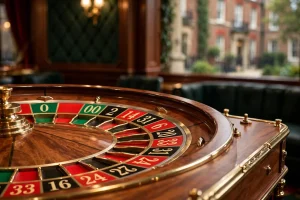
Online American Roulette Casinos in the UK
The 00 pocket distinguishes American Roulette from the single-zero European wheel and changes the odds...

European Roulette at UK Online Casinos: Rules and Odds
A guide to the single-zero wheel, betting options, table formats and how roulette bonus terms...

Online Casino Games for Real Cash in the UK
A practical guide to slot stakes, UK casino rules, bonus terms and the conditions that...

Online Casino Tournaments UK: Free Slot Entry
Tournament access can depend on a ticket or buy-in, while free entry describes only the...

Online casino without ID in the UK: what it means
A short sign-up form does not remove identity checks, which may apply before or during...

Plinko casino UK: licensing, play and payments
The guide distinguishes UKGC-regulated services from offshore platforms and explains what to check across play,...